
Product photo retouching is the technique of improving product images for clarity, accuracy, and visual appeal without altering real features.
Photographers, agencies, and brands use product photo retouching to make it perfect for the marketplace. Across Native American, Canadian, and Australian businesses, 45% of sellers rely on ethical retouching to balance craftsmanship with compliance.
In this article, we are going to explore what photo retouching is and why we should care.
What is Product Photo Retouching?
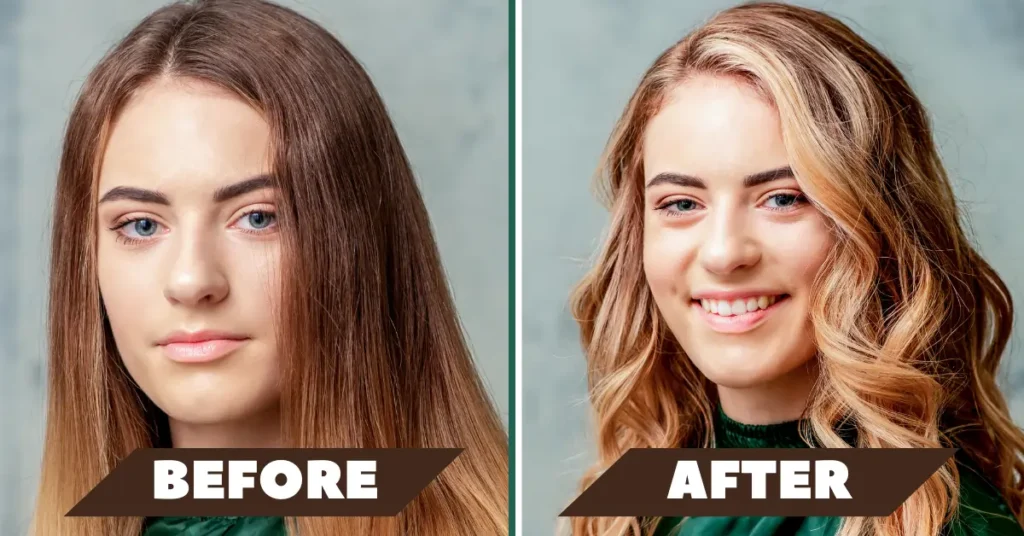
Product image retouching is the approach of improving product images to make them clear, accurate, and visually professional. To clarify what is retouching in photography, this optimizes image quality and keeps the product’s real shape, color, and material unchanged.
The Product Photo Retouching Process Includes:
Here is the processing for-
- Retouching begins with viewing the photo, then adjusting exposure a
- Color correction.
- Retouchers remove dust, marks, and distractions,
- Adjust edges and shadows, and
- Prepare images to meet size, clarity, and format requirements.
Who uses product photo retouching?
product photo retouching mainly use by-
- Photographers,
- ecommerce sellers,
- Brands,
- creative teams rely on photo retouching for online stores, marketplaces,
- catalogs, and ads.
Why does product photo retouching matter?
It’s important for-
- Builds customer trust and confidence
- Reduces product return rates
- Improves visual consistency across platforms
- Helps buyers make informed purchasing decisions
What Are the Benefits
Improve Visual Appeal
Nearly 35% of buyer dissatisfaction comes from visual inconsistency. Reviewing lighting, reflections, and minor imperfections allows editors to improve presentation without changing size, texture, or material truth.
Well-retouched product images look clean, balanced, and easy to view. A clear image helps buyers quickly recognize the product, understand its purpose, and feel comfortable with their shopping journey.
Increases Sales & Conversion Rates
Clear and accurate product images reduce buyer hesitation. When shoppers understand what they are purchasing, they are more likely to complete orders instead of leaving due to doubt or visual confusion.
Builds Brand Credibility
Consistent image quality shows professionalism and care. Over time, buyers begin to trust brands that present products accurately, helping establish reliability and long-term confidence across different selling platforms.
Keep Color Accuracy
Accurate colors help buyers receive products that match expectations. When colors remain true, customer satisfaction improves, misunderstandings decrease, and return rates are reduced across online sales channels.
Highlight Product Details
Proper retouching highlights textures, edges, and materials clearly. Buyers can examine details closely, helping them judge quality, construction, and usability before purchasing online.
Fit Naturally in Product Listings
Clear images fit naturally into product listings and layouts. This improves comparison between similar items and helps buyers make decisions faster without feeling overwhelmed or uncertain.
Meets e-commerce Platform Standards
Many marketplaces require specific image rules. Correct retouching helps products meet those requirements, reducing rejection risks and allowing sellers to publish listings without delays.
Key Factors of Product Photo Retouching
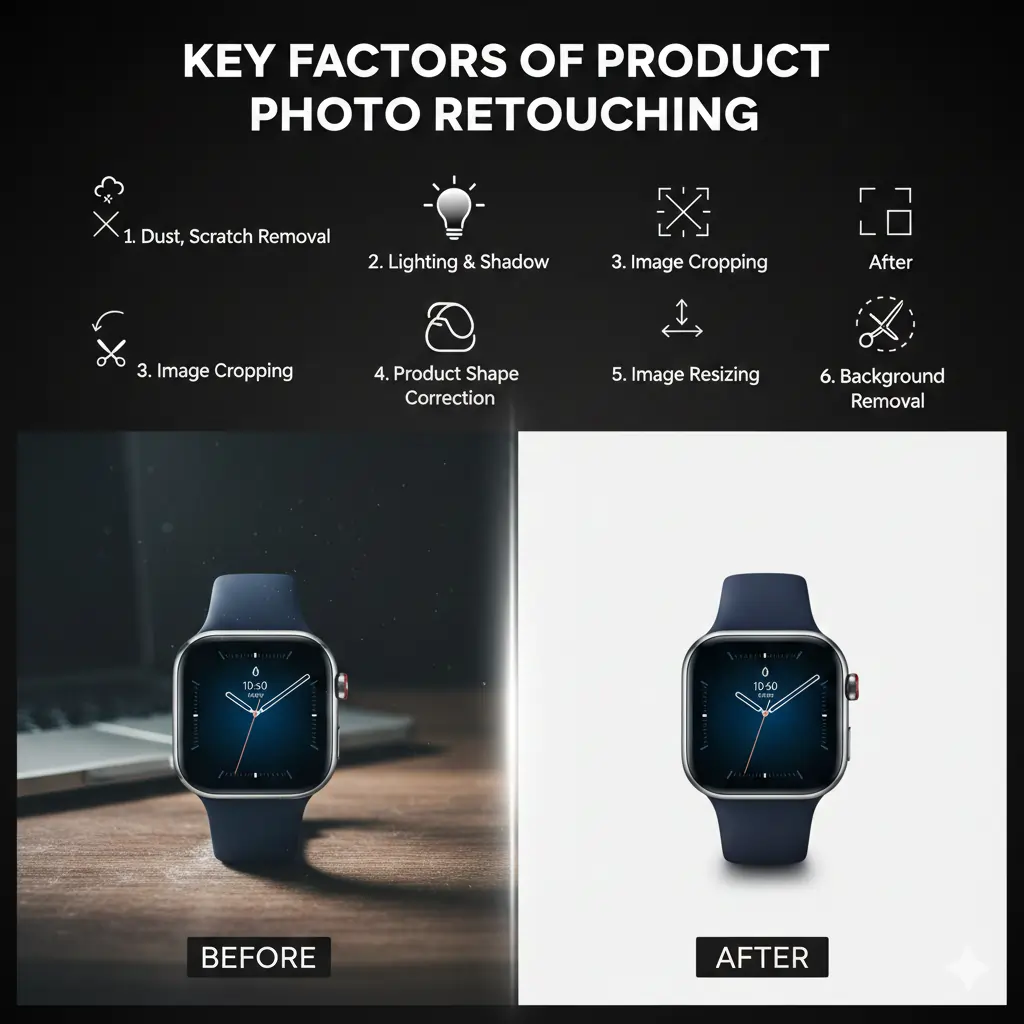
Dust, Scratch & Imperfection Removal
Small dust spots and scratches can appear during photography. Removing these flaws helps products look clean and well-maintained, without changing surface texture or making the image appear unnatural.
Lighting & Shadow Enhancement
Balanced lighting helps buyers understand shape and depth. Proper shadow control prevents flat visuals, improves accuracy, and ensures the product looks natural under different screen brightness levels.
Image Cropping & Alignment
Correct cropping keeps products centered and visually balanced. Good alignment improves comparison between items and avoids awkward framing that can confuse buyers or reduce visual confidence.
Product Shape Correction
Camera angles sometimes distort product form. Shape correction restores natural proportions, so buyers see accurate size, curves, and structure, helping maintain trust in what they are purchasing.
High-End Retouching
High-end retouching improves fine details such as edges, textures, reflections, and color balance. The goal is to present premium products clearly and accurately without changing their original material, shape, or overall appearance.
Image Resizing & Optimization
Images must display well and load quickly. Proper resizing keeps files lightweight and maintaining clarity, helping websites perform smoothly across different devices and internet speeds.
Background Removal & Replacement
Background removal keeps attention on the product itself. Clean photo background images help buyers focus easily, create consistency across listings, and prevent visual distractions that reduce clarity or professionalism.
Steps of Product Photo Retouching
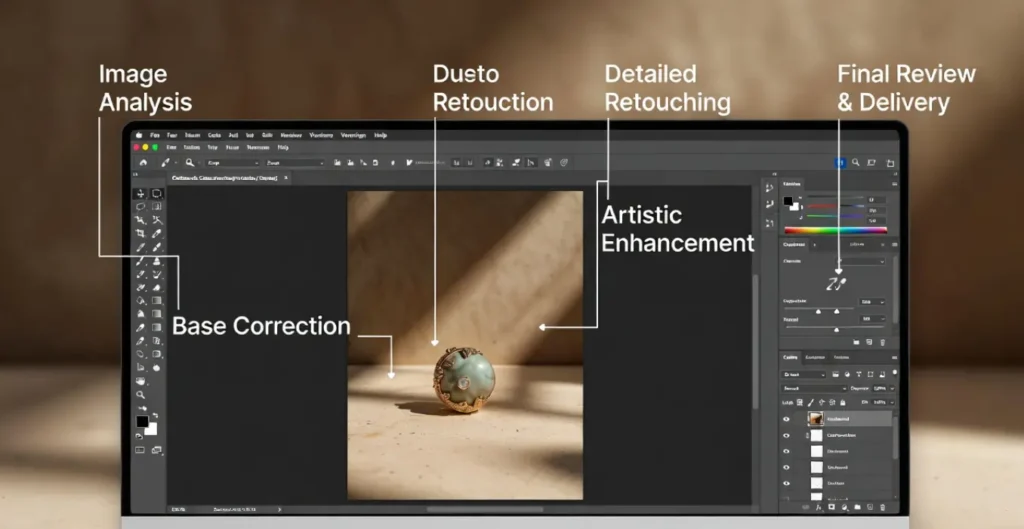
Image Analysis
Editors begin by reviewing lighting, color, and defects within the product photography, identifying priorities before edits start, ensuring the image matches reference samples and platform expectations.
Base Correction
Base corrections adjust exposure, contrast, and white balance using raw camera, establishing a neutral frame so product photography retouching proceeds across sets, batches, and varied lighting conditions globally.
Detailed Retouching
During detailed retouching, artists refine surfaces, edges, and marks through non-destructive editing, allowing revisions and product photo editing tips photoshop maintains layers, masks, and originals safely for future audits and approvals.
Artistic Enhancement
Artistic enhancement improves the overall look of the product without changing its actual features. This includes adjusting background transparency, so the product appears clear and focused.
Final Review & Delivery
The image will be carefully checked for accuracy, clarity, and consistency. After confirming everything looks correct, files are saved in the required formats and delivered, ready for upload to websites or online marketplaces.
How Much Does Product Photo Retouching Cost?
Product photo retouching typically costs between $1 to $15 per image, depending on image complexity, editing depth, and turnaround time. High-end or detailed retouching may range from $20 to $50 per image for premium ecommerce or advertising use.
Complexity of the Work
Cost increases when editing becomes more detailed. Images requiring clean photo background images or careful separation take longer to edit, especially when background issues or reflections must be corrected accurately.
Image Volume
Pricing depends on how many images are processed. Large batches that include consistent product photography retouching are usually more affordable per image, while small sets often cost more due to setup time.
Turnaround Time
Faster delivery affects cost. When brands need urgent edits such as remove white background online, editors must prioritize the job, increasing effort and overall pricing compared to standard timelines.
Level of Expertise Required
Highly skilled editors charge more because they handle complex edits correctly. Tasks involving product image editing in photoshop require experience to avoid mistakes and reduce repeated revisions.
Location of the Service Provider
Service location also impacts cost. Providers offering product photography support in different regions vary in pricing due to labor costs, communication expectations, and working hours.
Retouch Your Photo Without Making Skin Plastic
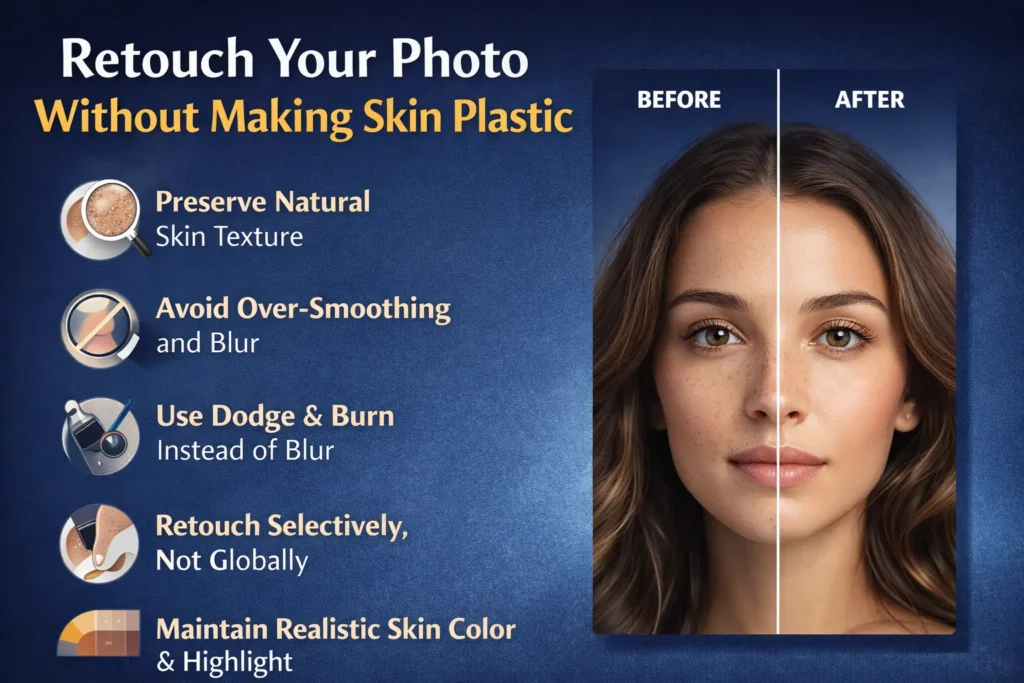
Preserve Natural Skin Texture
Natural skin texture makes people look real. Good retouching keeps pores and fine lines visible, so skin does not appear flat, artificial, or overly polished after editing.
Avoid Over-Smoothing and Blur
Too much smoothing removes natural skin detail. Heavy blur makes skin look flat and unrealistic, which reduces authenticity and can distract viewers instead of improving the overall appearance.
Use Dodge & Burn Instead of Blur
Dodge and burn, adjust light and shadow carefully on the skin. This technique improves shape and depth and keeps natural texture, avoiding the flat and artificial look caused by heavy blurring.
Retouch Selectively, Not Globally
Selective retouching means fixing only specific problem spots, such as a blemish or uneven tone. It avoids applying edits to the entire face, so natural skin texture and detail stay intact.
Maintain Realistic Skin Color & Highlights
Keeping skin color natural helps people look healthy and believable. Balanced highlights prevent faces from appearing too shiny or too dark, ensuring the image feels realistic and simple to view.
FAQ of What is product photo retouching an it importance
What separates professional product photo retouching from basic editing?
Professional retouching follows disciplined workflows, accurate color control, and platform rules. Unlike basic edits, product photo editing in Photoshop ensures clean photo background images and a consistent visual presentation.
How does retouching affect buyer trust in ecommerce?
When buyers see accurate colors, clean edges, and well-handled transparent background Photoshop work, uncertainty decreases, expectations align, and product return rates drop naturally.
Is AI retouching replacing manual retouching?
AI can remove white background online and speed up simple tasks, but manual editing in Photoshop ensures ethical decisions, precise control, and reliable visual accuracy.
Why is ethical retouching critical for marketplaces?
Ethical retouching ensures that photography remains truthful of the product, preventing misleading visuals, policy violations, listing rejections, and long-term trust issues.
When should brands outsource retouching services?
Brands outsource product photo retouching services when they need bulk amount of images into faster turn around time, so in such cases brands will compromise increases of costing
Conclusion
Product photo retouching plays a critical role in ecommerce success by ensuring accuracy, clarity, and trust. When done ethically, it enhances visual appeal, meets platform standards, reduces returns, and strengthens brand credibility, helping businesses present products professionally without altering their true features.
Read More Article
10 Best Product Photography Tips For E-commerce Success
How to Ghost Mannequin Photography